Global Japanese Sushi Rolls
Highlighted under: Global Cooking
I love making Global Japanese Sushi Rolls because they allow me to combine fresh ingredients and flavors from different cultures in one bite. Each roll is like a canvas, where I can express my creativity with vibrant vegetables, succulent seafood, and flavorful sauces. The best part is that these sushi rolls are not only delightful to the palate but also fun to make with family and friends. Whether you’re a seasoned sushi maker or a beginner, this recipe will guide you to create your own delicious rolls in no time!
When I first started making sushi at home, I was intimidated by the intricate techniques and endless variety of ingredients. However, after experimenting with different fillings and methods, I discovered that simplicity and quality ingredients are key. Using fresh veggies, high-quality seafood, and a little bit of creativity made all the difference. I remember making my first roll with avocado and crab, and it was a game-changer!
One valuable tip I learned along the way is to ensure your rice is at the right temperature—warm, but not hot—when rolling. It helps the nori adhere perfectly while keeping the fillings at their best texture. I've also found that a light dipping sauce enhances the flavors without overpowering them, adding an extra layer of joy to each bite.
Why You Will Love These Rolls
- Creative fusion of global flavors in every bite
- Fresh ingredients that elevate your sushi experience
- Fun activity for family and friends to enjoy together
Sushi Rice: The Heart of Your Rolls
The quality of your sushi rice can significantly impact the overall flavor and texture of your rolls. Using short-grain sushi rice is essential, as it becomes sticky when cooked, allowing the rolls to hold their shape. Make sure to rinse the rice thoroughly; this step helps remove excess starch and prevents the rice from becoming gummy. A good rule of thumb is to rinse until the water runs clear, which usually takes about 2-3 minutes.
After cooking the rice, gently fold in the seasoned rice vinegar mixture while it's still warm. This helps the rice absorb the flavors fully. Be careful not to mash the rice; a gentle folding motion will maintain the grains' integrity. The right consistency should be slightly sticky but not clumpy, ideal for rolling. Letting it cool to room temperature ensures that it's easier to work with when assembling the sushi.
Assembly: Rolling Techniques
When assembling your sushi rolls, the technique you use can make a big difference. Using a bamboo sushi mat is crucial for rolling tightly; it provides the right leverage. Ensure your hands are wet to prevent the rice from sticking to your fingers, making the assembly process smoother. Spread the rice evenly, applying just enough pressure to ensure it adheres to the nori without squeezing too tightly, which can cause the fillings to escape.
As you arrange your fillings, consider the balance of flavors and textures. Combining creamy avocado with crisp cucumber and tender fish not only enhances taste but also offers varying mouthfeel. Roll firmly but not excessively, as over-rolling can make the sushi look distorted. A quick tip is to slightly moisten the top border of the nori to seal your roll better, ensuring it stays intact during slicing.
Ingredients
Sushi Rice
- 2 cups sushi rice
- 2 1/2 cups water
- 1/3 cup rice vinegar
- 2 tablespoons sugar
- 1 teaspoon salt
Fillings
- 1 ripe avocado, sliced
- 6 oz sushi-grade fish (like salmon or tuna), sliced
- 1 cucumber, julienned
- 1 carrot, julienned
- 2 tablespoons sesame seeds
Wraps
- 4 sheets of nori (seaweed)
- Soy sauce for serving
- Wasabi (optional)
- Pickled ginger (optional)
Instructions
Prepare the Sushi Rice
Rinse the sushi rice under cold water until the water runs clear. Combine the rice and water in a rice cooker and cook according to the manufacturer's instructions. Once cooked, mix rice vinegar, sugar, and salt in a bowl until dissolved, then gently fold into the warm rice. Let it cool slightly.
Assemble the Sushi Rolls
On a bamboo sushi mat, place a sheet of nori shiny side down. Wet your hands to prevent sticking. Spread a thin layer of rice over the nori, leaving a 1-inch border at the top. Lay your fillings in a line across the rice, then roll the mat away from you, pressing firmly to create a tight roll.
Slice and Serve
Use a sharp knife to slice the roll into bite-sized pieces. Wipe the knife with a damp cloth between cuts for cleaner edges. Arrange the sushi on a plate and sprinkle sesame seeds on top. Serve with soy sauce, wasabi, and pickled ginger.
Pro Tips
- Experiment with different fillings and sauces to personalize your sushi rolls. Don't be afraid to mix and match ingredients based on your favorite flavors!
Serving and Presentation Ideas
Presentation is key when serving sushi. A simple way to elevate your dish is by arranging the rolls on a wooden platter or slate. This not only looks appealing but allows guests to appreciate the colors of the ingredients. For added flair, use edible flowers or thinly sliced radishes to garnish the plate, creating a visually stunning display that reflects the vibrant ingredients inside the rolls.
Pair your sushi with traditional sides like wasabi and pickled ginger to cleanse the palate between bites. You might also consider infusing your soy sauce with a touch of citrus or chili for a unique twist. This slight modification not only enhances the flavor profile but also elevates the experience of enjoying your sushi.
Storage and Meal Prep Tips
If you're planning to make sushi in advance, it's best to prepare all your ingredients ahead of time but assemble rolls just before serving to maintain freshness. Sushi rolls are best consumed the same day they are made, as the nori can become soggy. However, you can store leftover fillings in an airtight container in the refrigerator for up to 24 hours to keep them fresh for a subsequent sushi-making session.
For those looking to scale up, doubling the recipe is straightforward. Just ensure you have enough space on your sushi mat and sufficient nori sheets. Alternatively, you can create sushi bowls with similar ingredients, which simplifies meal prep and adds variety. Layer sushi rice with vegetables and fish in a bowl for a deconstructed sushi experience that can be enjoyed anytime.
Questions About Recipes
→ Can I use brown rice instead of sushi rice?
While you can use brown rice, it won't have the same sticky texture as sushi rice, which is important for keeping your rolls intact.
→ What are some popular fillings for sushi rolls?
Common fillings include shrimp, crab, vegetables like bell peppers, and creamy sauces like spicy mayo.
→ How can I make my sushi vegetarian?
Substitute fish with a variety of vegetables such as avocado, cucumber, bell peppers, and tofu for a delicious vegetarian option.
→ How do I store leftover sushi?
Sushi is best enjoyed fresh, but if you have leftovers, you can store them in an airtight container in the refrigerator for up to 24 hours.
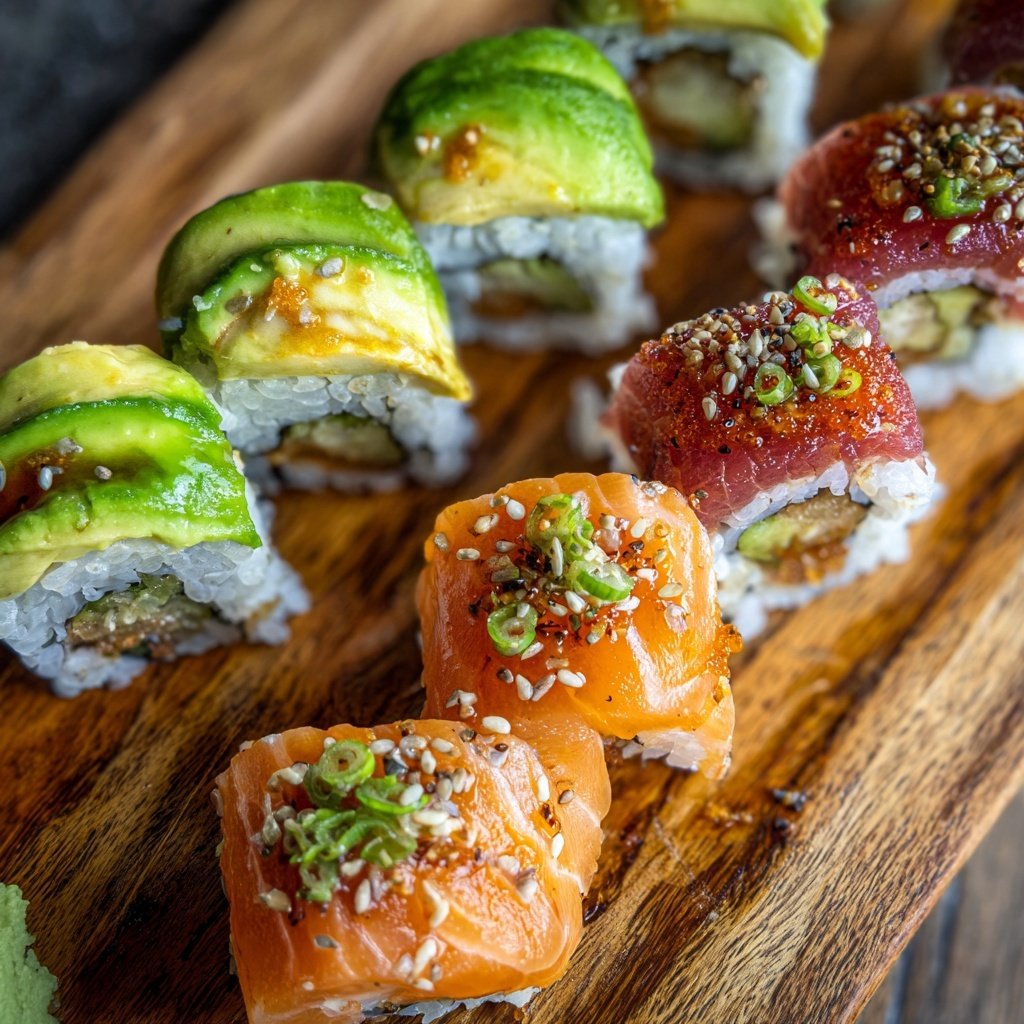
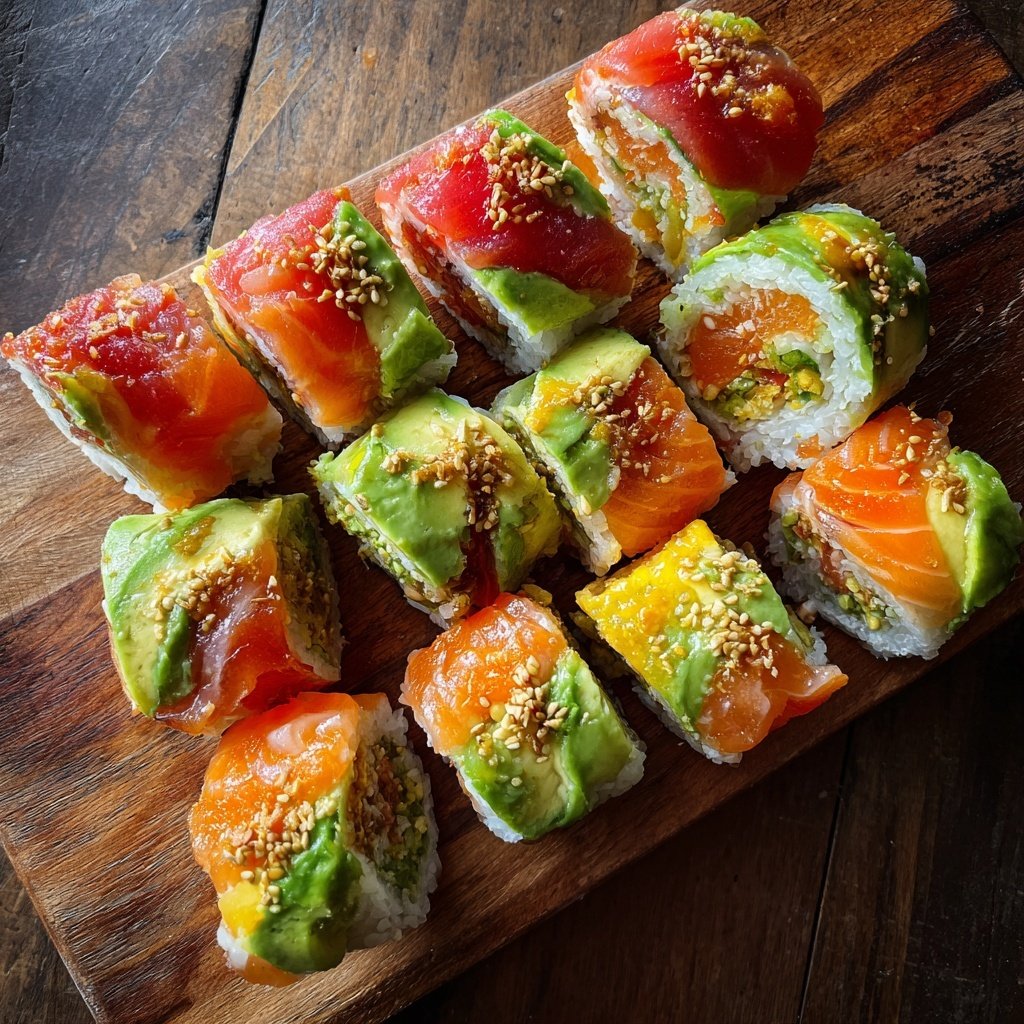
Global Japanese Sushi Rolls
Created by: The Florencebakes Team
Recipe Type: Global Cooking
Skill Level: Easy
Final Quantity: 4 rolls
What You'll Need
Sushi Rice
- 2 cups sushi rice
- 2 1/2 cups water
- 1/3 cup rice vinegar
- 2 tablespoons sugar
- 1 teaspoon salt
Fillings
- 1 ripe avocado, sliced
- 6 oz sushi-grade fish (like salmon or tuna), sliced
- 1 cucumber, julienned
- 1 carrot, julienned
- 2 tablespoons sesame seeds
Wraps
- 4 sheets of nori (seaweed)
- Soy sauce for serving
- Wasabi (optional)
- Pickled ginger (optional)
How-To Steps
Rinse the sushi rice under cold water until the water runs clear. Combine the rice and water in a rice cooker and cook according to the manufacturer's instructions. Once cooked, mix rice vinegar, sugar, and salt in a bowl until dissolved, then gently fold into the warm rice. Let it cool slightly.
On a bamboo sushi mat, place a sheet of nori shiny side down. Wet your hands to prevent sticking. Spread a thin layer of rice over the nori, leaving a 1-inch border at the top. Lay your fillings in a line across the rice, then roll the mat away from you, pressing firmly to create a tight roll.
Use a sharp knife to slice the roll into bite-sized pieces. Wipe the knife with a damp cloth between cuts for cleaner edges. Arrange the sushi on a plate and sprinkle sesame seeds on top. Serve with soy sauce, wasabi, and pickled ginger.
Extra Tips
- Experiment with different fillings and sauces to personalize your sushi rolls. Don't be afraid to mix and match ingredients based on your favorite flavors!
Nutritional Breakdown (Per Serving)
- Calories: 300 kcal
- Total Fat: 10g
- Saturated Fat: 1g
- Cholesterol: 25mg
- Sodium: 200mg
- Total Carbohydrates: 44g
- Dietary Fiber: 4g
- Sugars: 1g
- Protein: 8g